Holding All the Grief
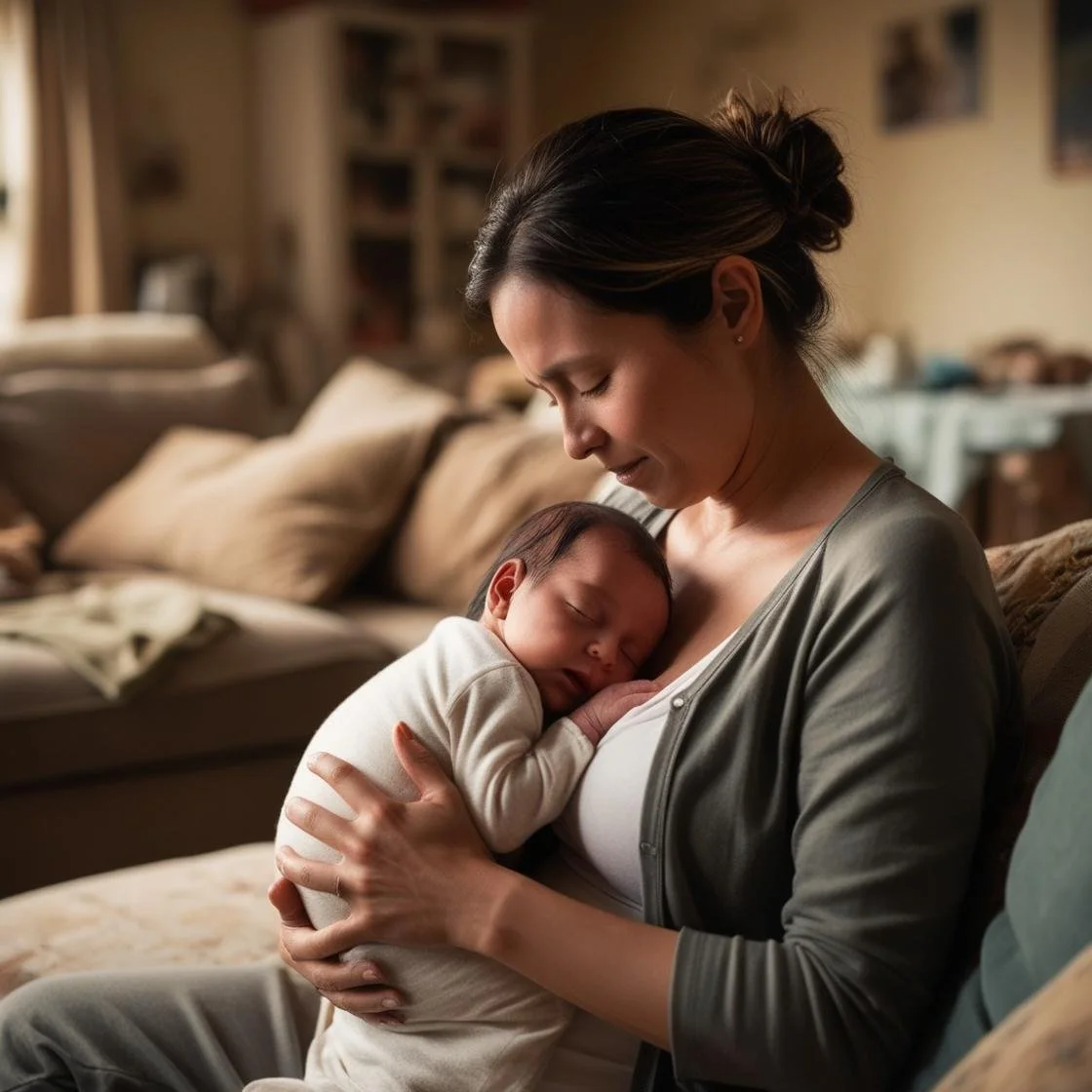
When a mother's mental health crisis ends in tragedy, children are always among those who suffer most - whether they are lost in the crisis itself, or whether they survive it and spend the rest of their lives learning to live with an absence they were too young to understand. Both of those children deserve to be named. Both of those families deserve to be seen.
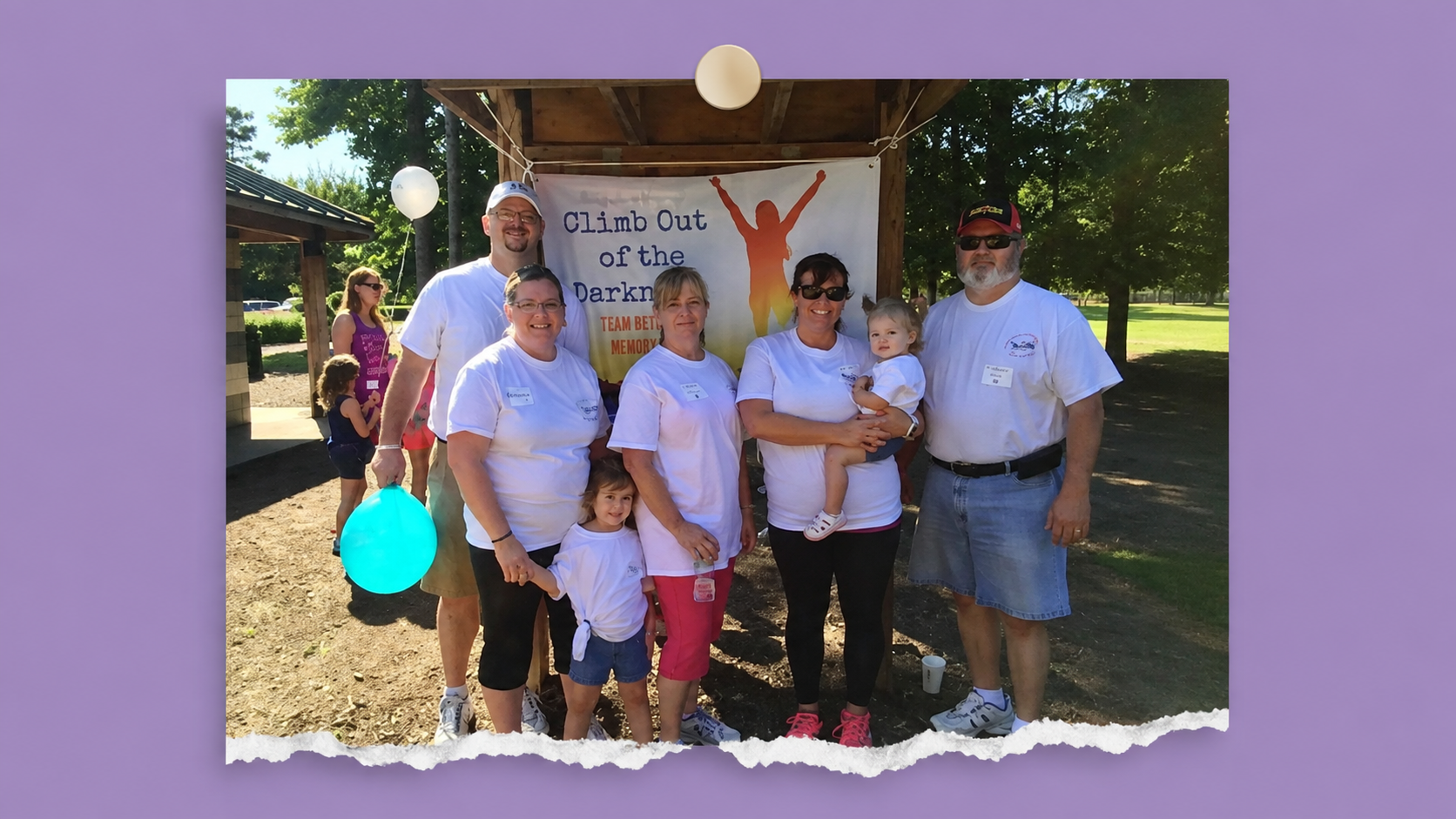
Kristina’s Postpartum Psychosis Story
I began doing things that were completely outside of my norm, like spontaneously quitting my job one morning. I have zero memory of that. There was even a time when I chose to check in on my pastor, which I never did. I was also speaking about grandiose ideas to my best friend. Alarms were going off everywhere! My husband said at one point I started quoting scripture that he never realized I had memorized.
Rare is Relative
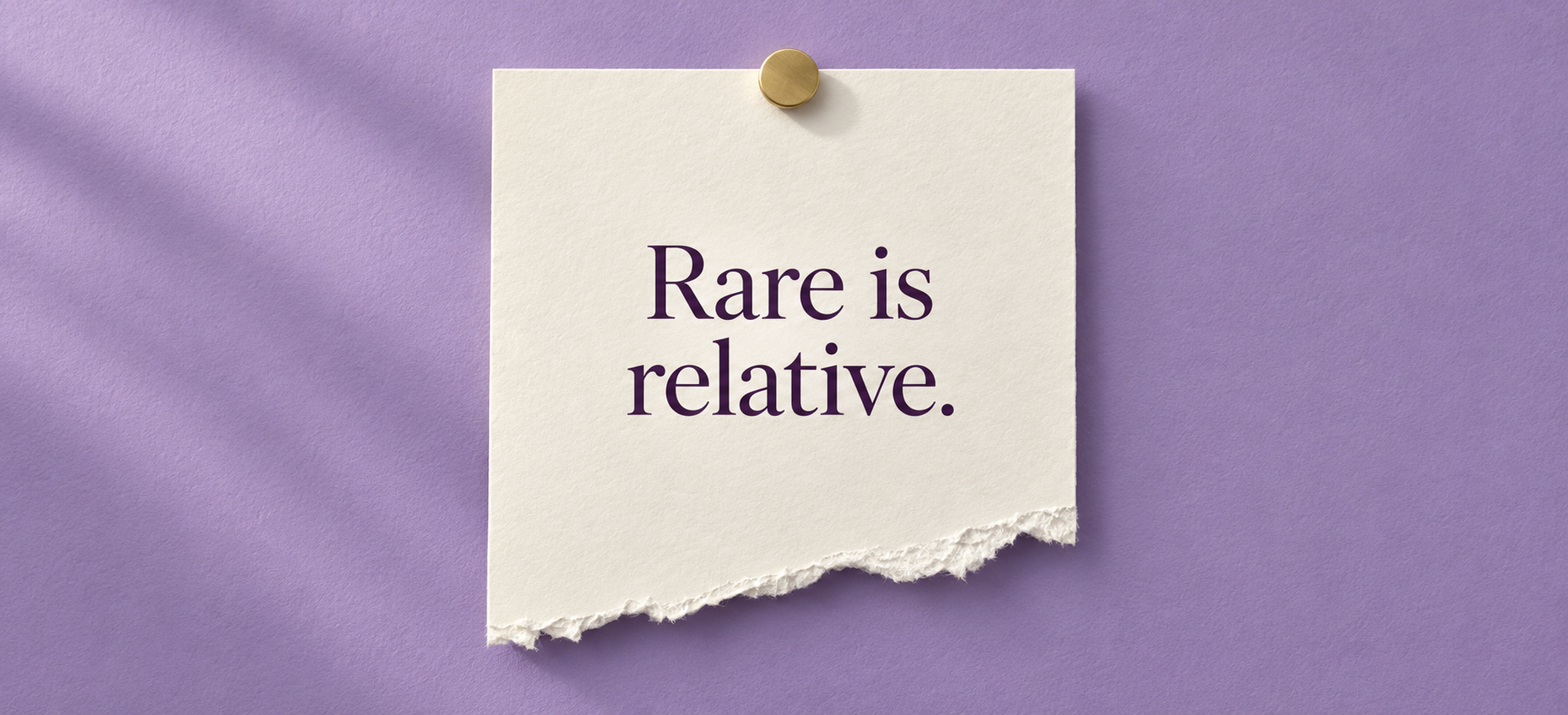
We hear postpartum psychosis described as “rare” so often that it can feel like an unquestionable fact. But rare compared to what? Conditions with similar—or even lower—rates of occurrence are routinely described as common. The difference isn’t necessarily the numbers. It’s the language we choose to use around them. And when it comes to postpartum psychosis, that choice matters.
Calling PPP “Rare” Sends the Wrong Message
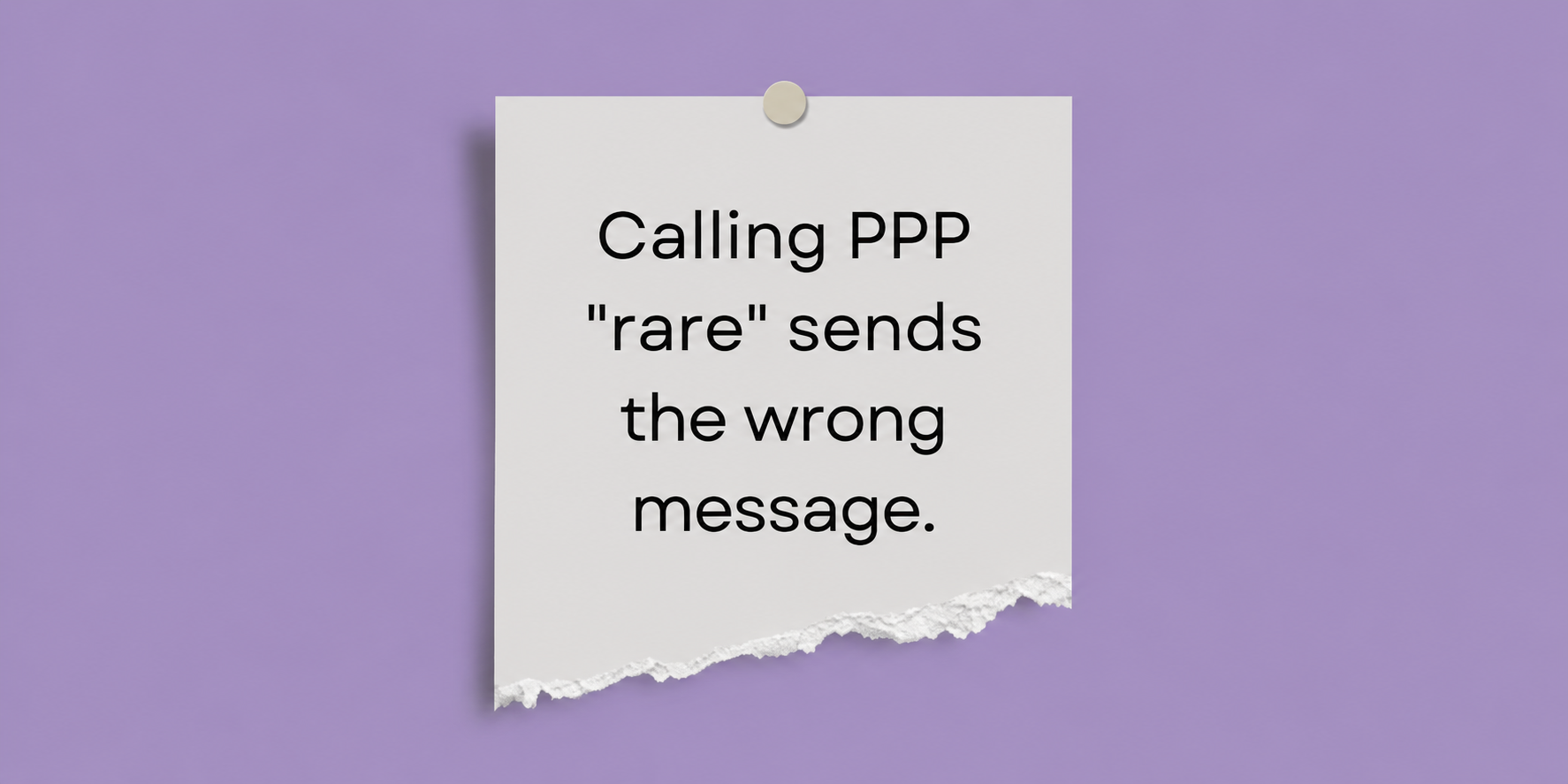
When we call postpartum psychosis “rare,” there’s an unspoken message underneath: Yes, it happens—but probably not to you. That message can discourage families from learning the signs of an illness that can happen to anyone who becomes pregnant or gives birth. Here are five reasons every expectant family should know about PPP before they ever need that knowledge.
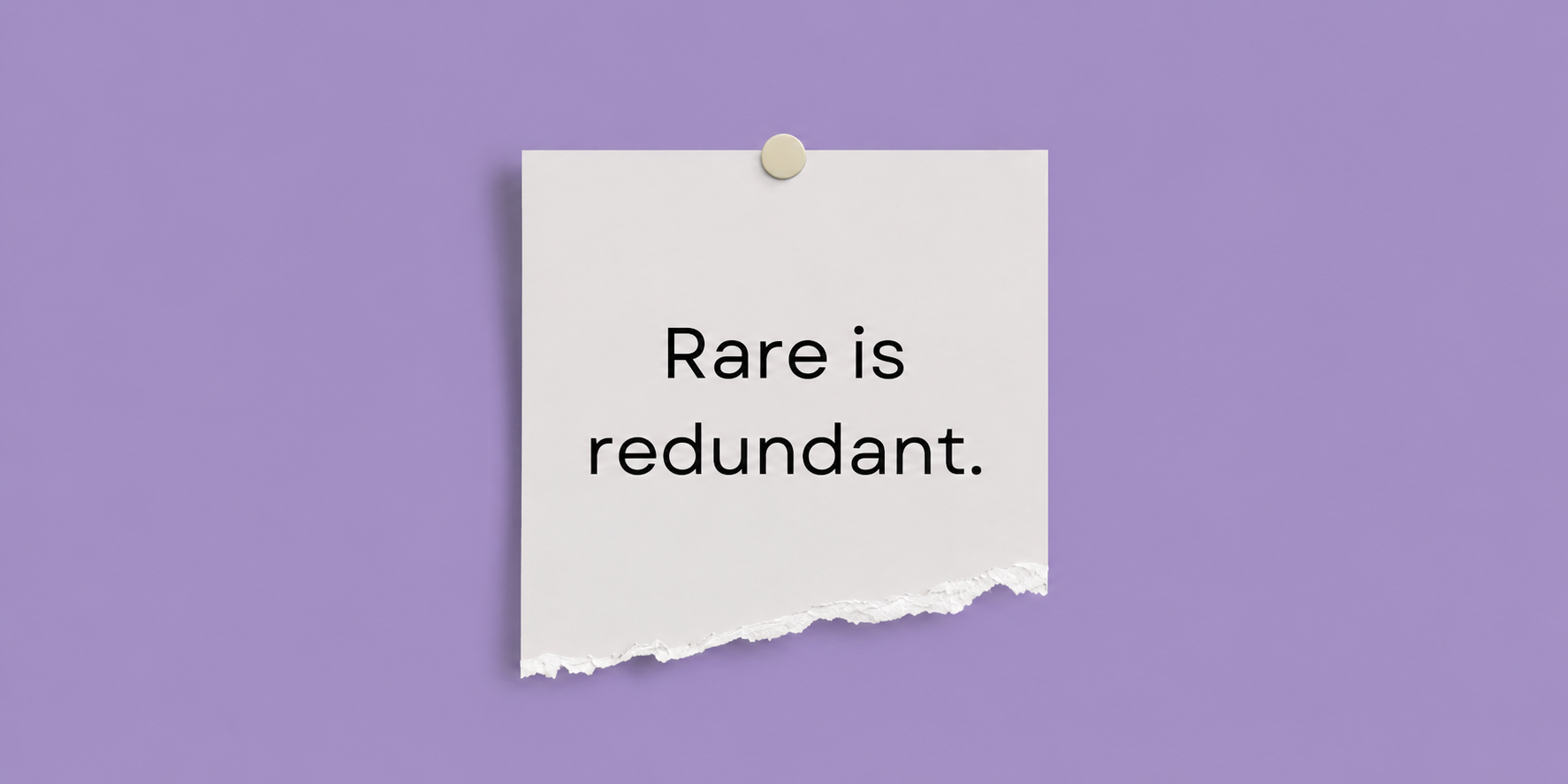
Rare is Redundant.
“Postpartum psychosis is rare.” We see the phrase everywhere—but why add “rare” when we can simply state the facts? If postpartum psychosis occurs at an estimated rate of 1–2 in every 1,000 births, the numbers already communicate frequency. The word “rare” adds a judgment the statistic doesn’t need. Sometimes better awareness messaging is as simple as letting the facts speak for themselves.
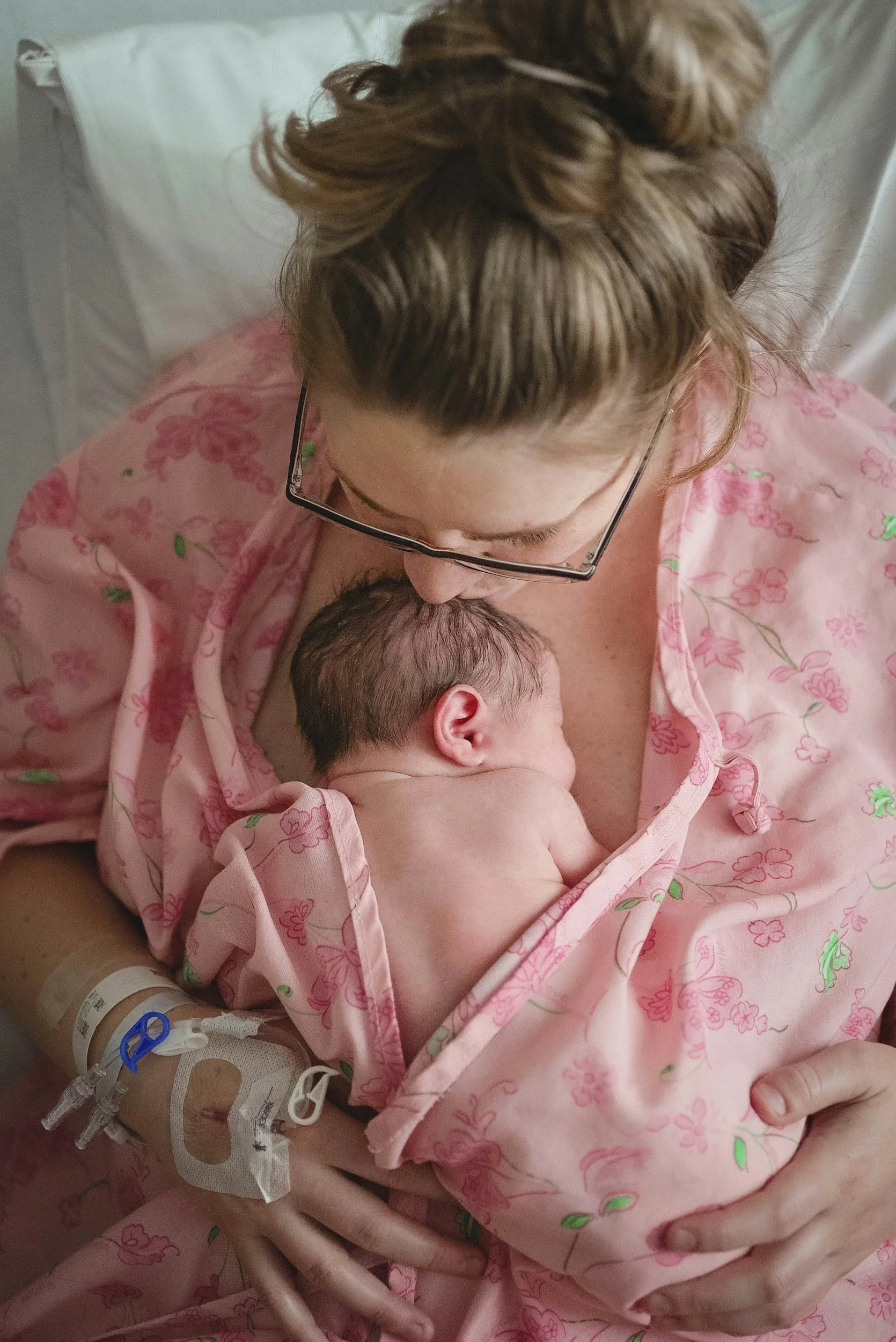
Navigating Motherhood with Bipolar Disorder My Journey to Understanding and Coping
As I approached the beautiful journey of pregnancy and motherhood, I found myself wrestling not only with my feelings but also with how my mental illness might impact my ability to nurture and care for a new life.
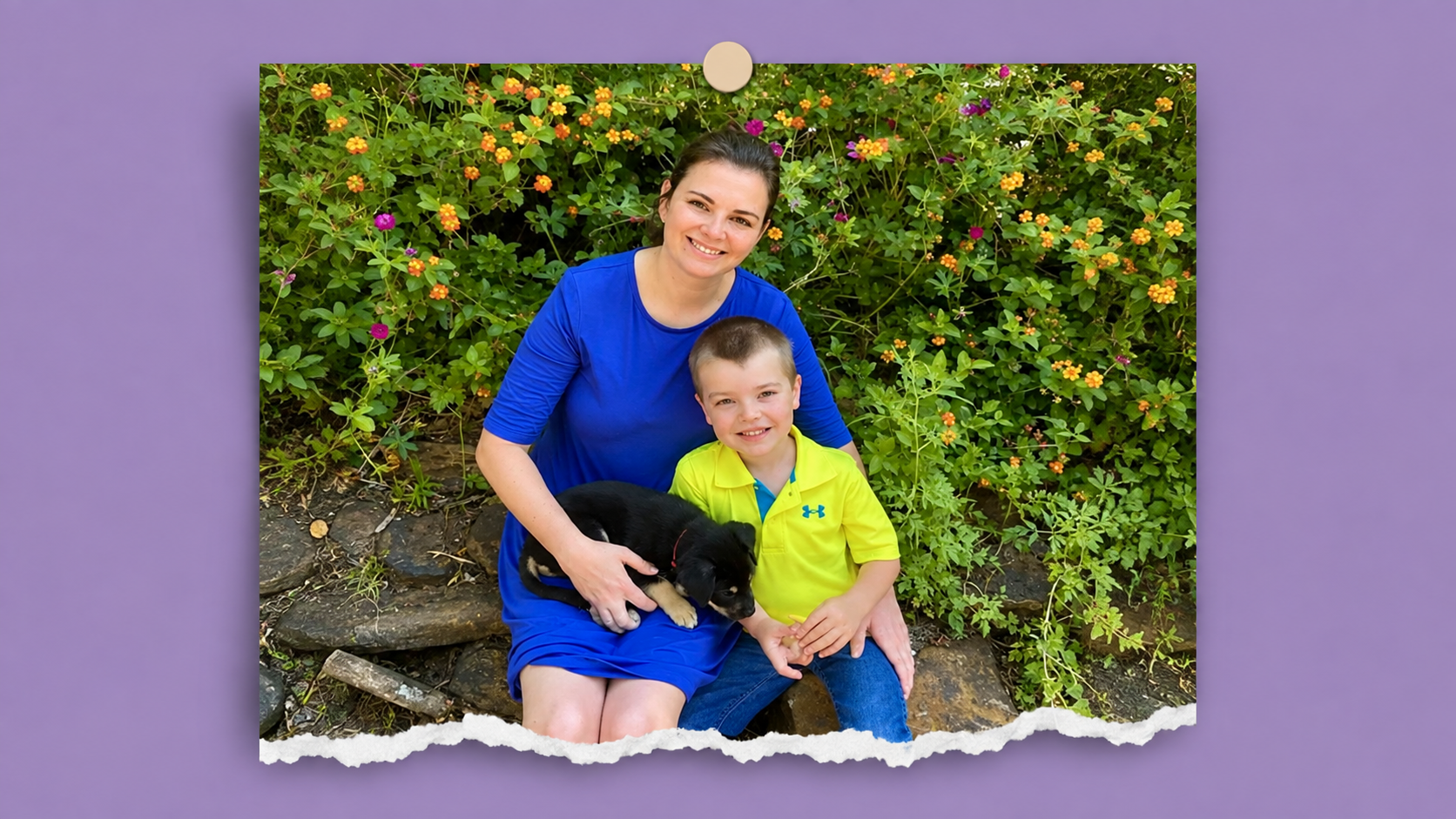
Grace's Postpartum Psychosis Story
My Postpartum Psychosis (PPP) story is hard to tell because the memories are fuzzy, distant and may or may not have happened as I remember. It’s like trying to put a puzzle together when you don’t have the picture on the box or all the pieces and the pieces you do have don’t all fit together.